|
|
|||||
| 01_july_12 |
Archival Page |
||||
|
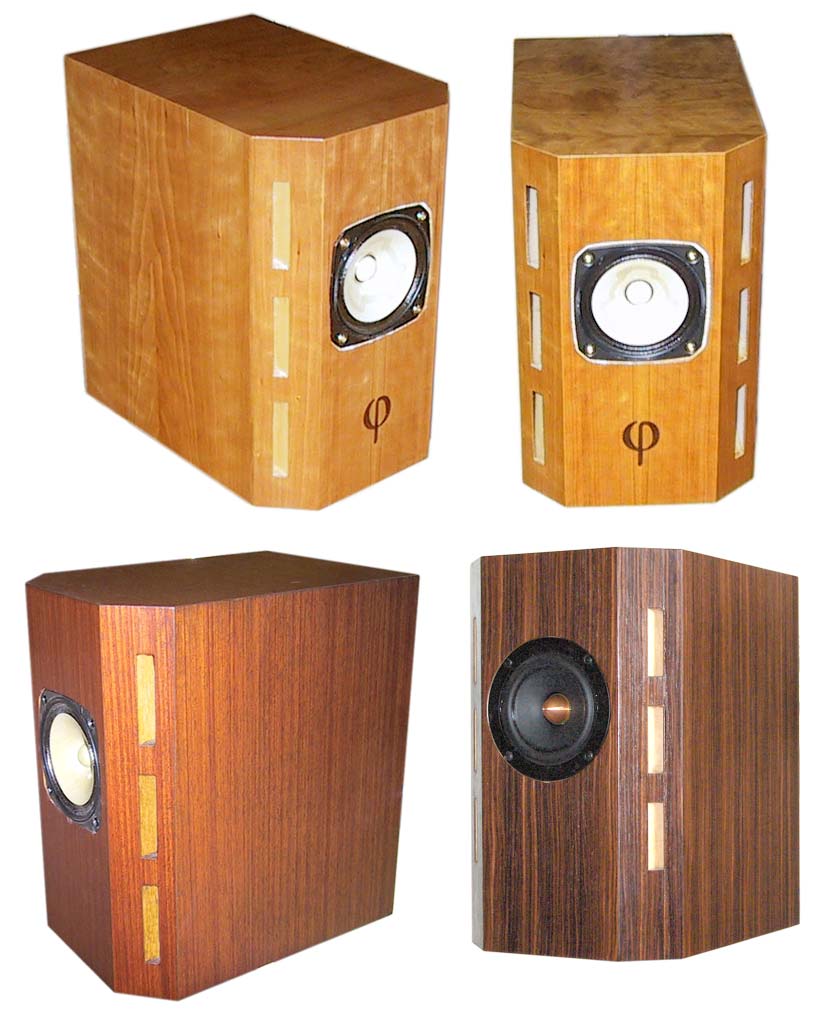
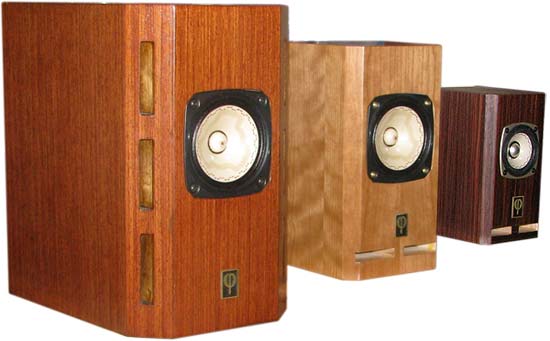
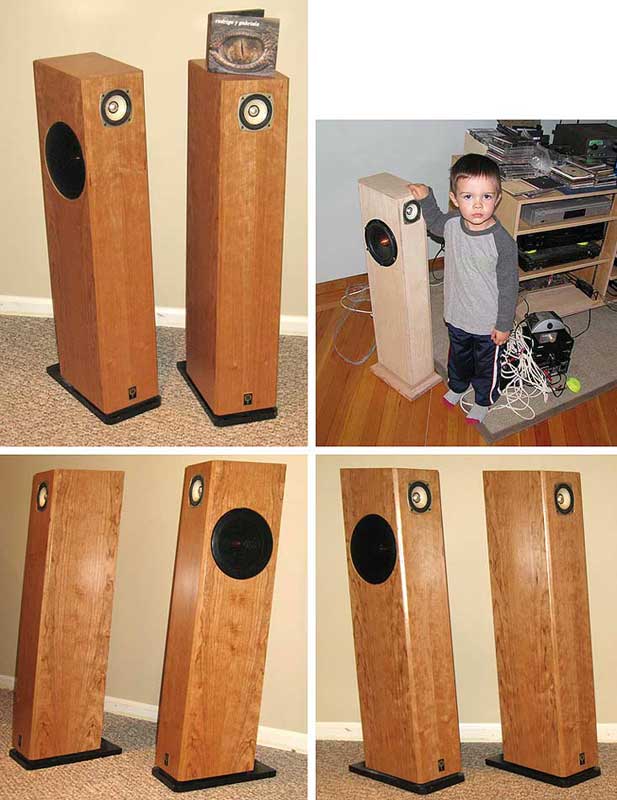
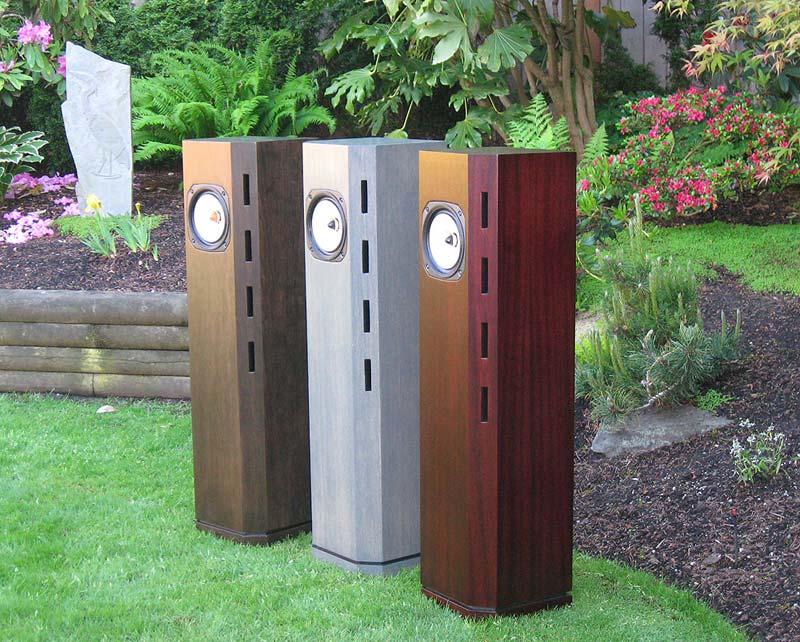
Fostex FE127E Flat sliced cherry with clear lacquer x 2 > Fostex FE127E Quarter sliced mahogany with medium dark oil finish > CSS FR125S Macassar Ebony with clear lacquer
|
|||||
|
BiFonken Mk ii beta
*(preliminary release) coming soon Fonken-steen (FX120|F120A) Fonken167 (FE167) Tysen
|
Fonken (Fostex FE127eN) & miniOnken (CSS FR125SReN)
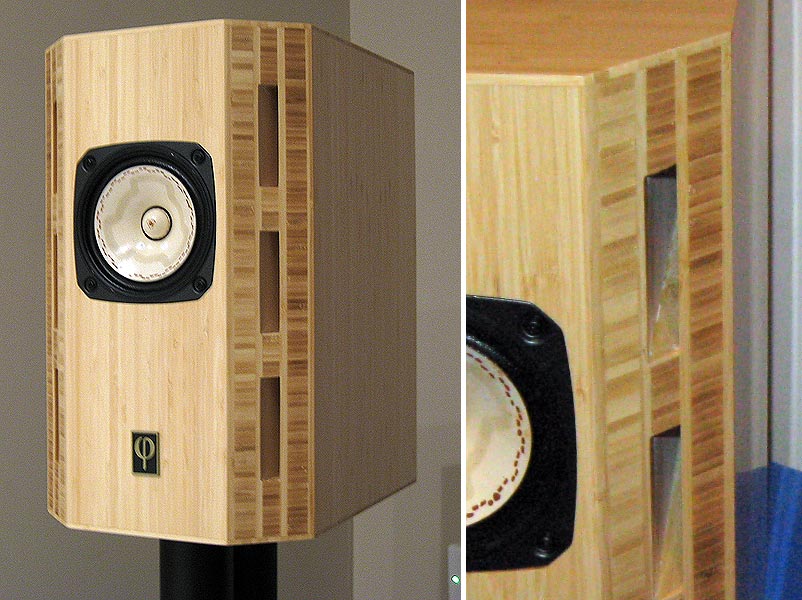
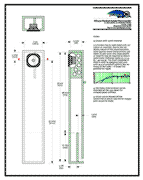
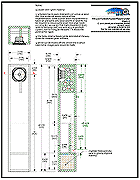
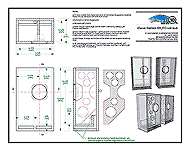
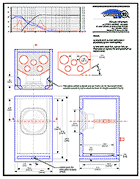
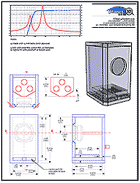
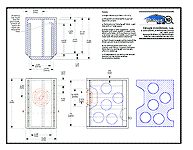
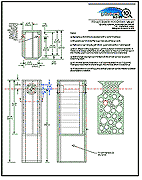
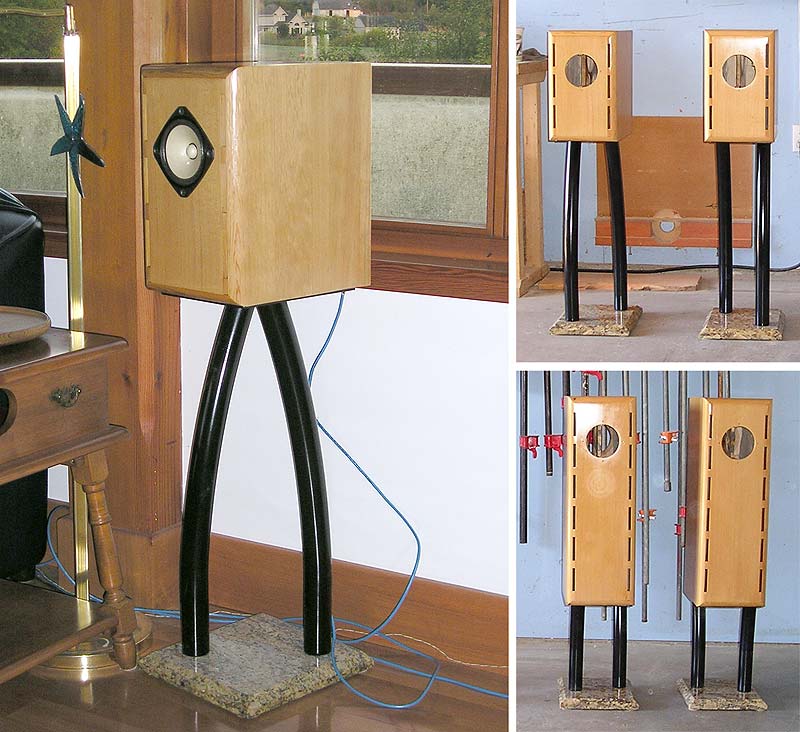
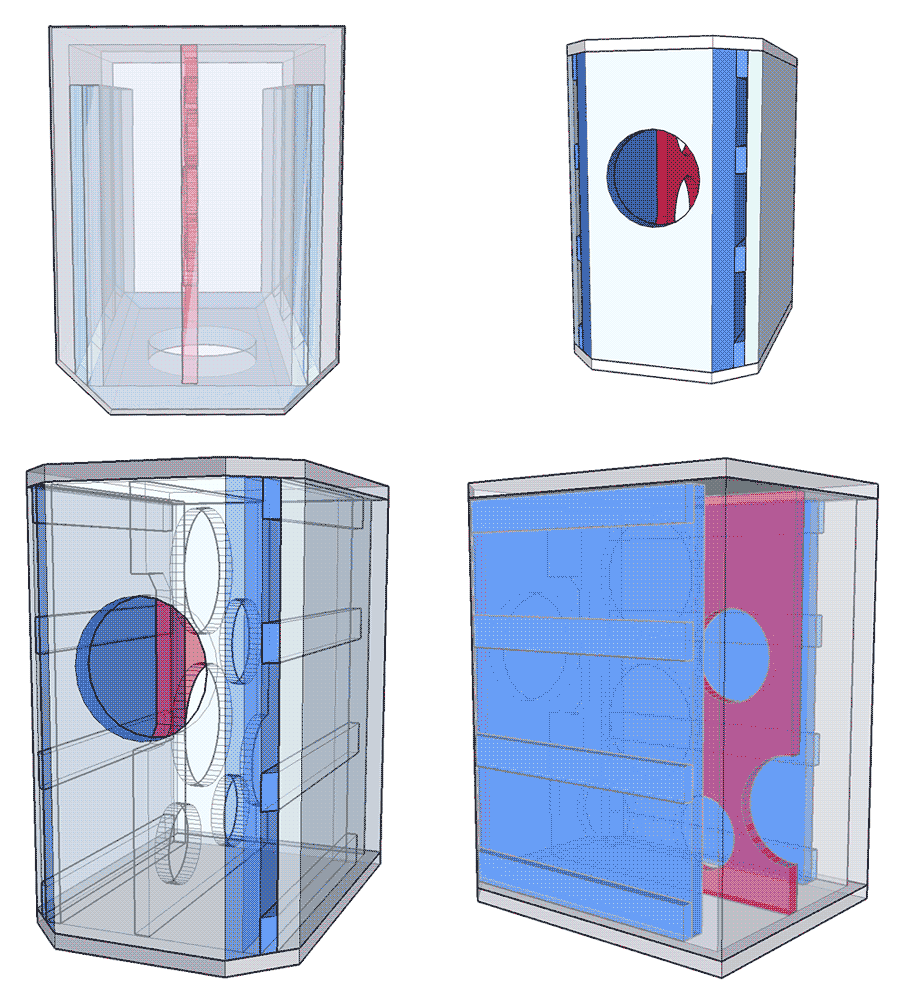
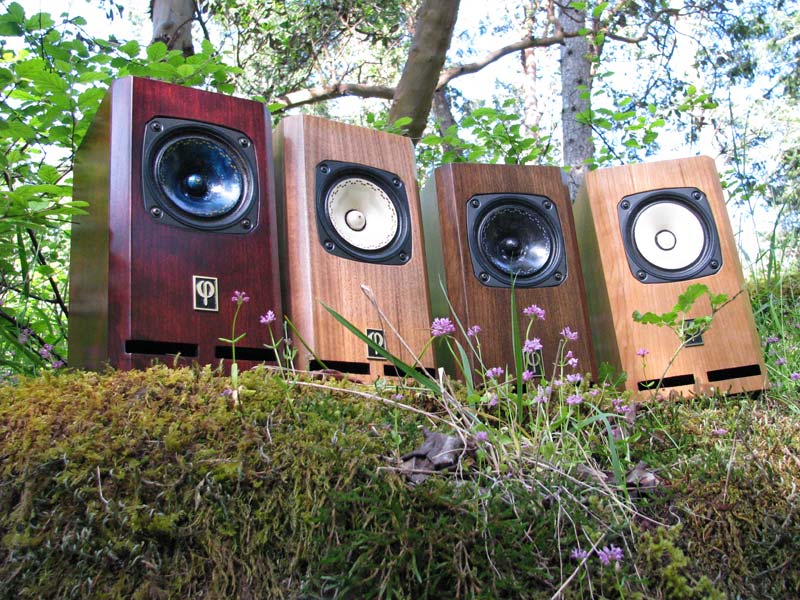
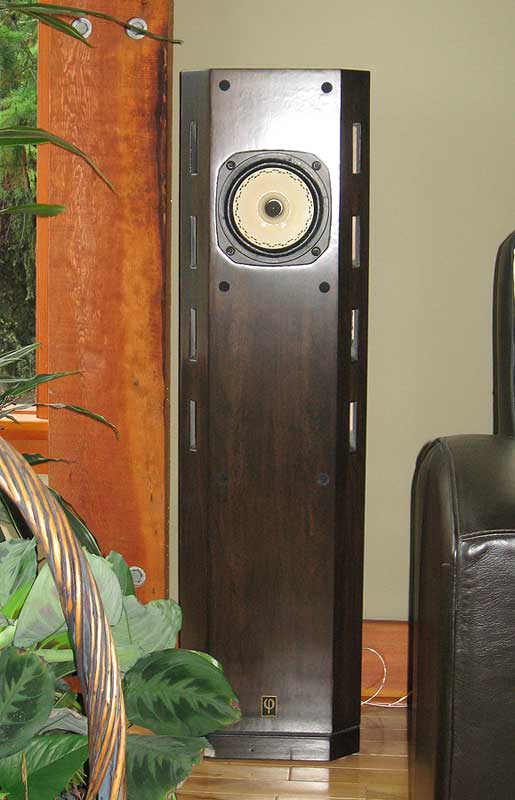
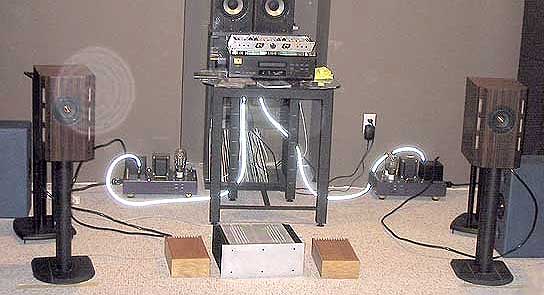
Flash: miniOnken style enclosures now done for a number of Mark Audio drivers including CSS EL70, CHR70, Alpair 7, 10.2, 12. See appropriate Box Plan pages. (an update to this page coming. 27-Jan-11 The Fonken/miniOnken is stand-mount speaker using a sungle full-range driver. From the originals has come a number of variations and both smaller & larger siblings... uFonken, mFonken, Fonken167, Classic Golden Ratio Fonken, Floorstander Fonken, wallFonken, Tysen (uFonken with built-in bass support), Fonken-steen, Mar-Kens, Mar-Kels ... (a more complete list of designs, and nomenclature in this thread on the planet10-hifi forum) It is an elegant design & has a pretty high spouse approval factor. It also sounds really good. These designe are great example of many design threads/ideas coming together in a single box. |
|
|||
|
|
|||||
|
One of the major assets of an onken enclosure is the way the vents acted as a an incredibly well braced, almost constrained layer, cabinet wall -- this was the 1st thing i realized on seeing my 1st onken in an Audax project pamplet in the late 70s (the design actually goes back to the Jensen UltraFlex). Exposure to Bill Perkin's PR-1 research & Bud Fried's Model R & Q (and the classic Dynaco A25) showed the benefits of aperiodic enclosures. One of these benefits is the way an aperiodic box can help to deal with T/S parameters being curves not scalars -- as drive changes T/S parameters change meaning a typical BR box is only optimally tuned for 1 volume level. My favourite page in Olson's Acoustics is the one with the graphs that show the affect of box shape on diffraction and from this that a box with heavily champhered edges gets you most of the way with little effort.
Inspired by a deep
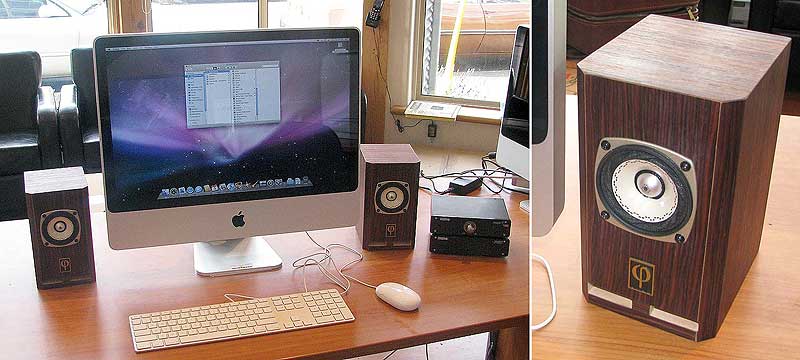
regard for the look of Tony Gee's Solo 103, the miniOnken for the FR125s literally
came in a flash (one might consider the Solo 103 as the fonken for the FE103).
It turned out really well
The box structure is quite inert to box-wall resonance induced colourations. Instead of brute-force, the frequency of panel resonances is pushed up to where they are unlikely to ever be excited -- effectively eliminating them. This is accomplished by the use of small panels (no box wall has a greater unbraced panel span than 5" (250mm)), the use of relatively thin, light, and stiff baltic birch plywood, and the driver braced against a large portion of the mass of the box panel to spread that energy as thin as possible. The sonic character of these two speakers are different. Each plays to a somewhat different strengths. Which one fits your needs best might well be determined by what kind of amplidier you have -- amplifier & speaker should always be consider as a system. Consider the following. The Fonken likes small amps with highish output impedance like SETs, no-feedback push-pull. a whole new wave of single-ended SS, and the new small digital amplifiers. Becuase they are ~6 dB more efficient you can get away with not much power -- 2-20 watts is fine.
For greater levels & wide soundfield you could start with a set of BiFonkens or Bipoler miniOnkens or these can be used to provide excellent extended midrange with the addition of a woofer & super-tweeter. The advent of home theatre has made the sub-woofer an accepted piece of kit and even a modest tweeter can give more than acceptable performance if crossed over in the 12-20k range you'd need - and the crossover can be a single capacitor.
Plans linked are freely available for non-commercial use only. Finished versions of the miniOnken with planet10-hifi modified drivers (also available separately) can be special ordered and flat-paks are under development. A diyAudio thread on a Fonken build. 1/ starting at post #20 in this Full Range Forum thread
|
|||||
|
|
|||||